
South Africa’s agricultural exporters face uncertainty over continued access to the U.S. market under the African Growth and Opportunity Act (AGOA). Although AGOA runs until December 2028, South Africa’s eligibility for 2027 remains under review, with an outcome expected on November 2.
Trade, Industry and Competition Minister Parks Tau said negotiations would continue, while the government prepared for either outcome. Diversification remains an option, although losing existing trade preferences could affect individual agricultural sectors.
South African agricultural exports to the U.S. reached an estimated $504 million in 2025, down about 3 per cent from 2024, despite additional tariffs reaching 30 per cent on affected products during part of the year. Exporters also accelerated shipments during a temporary tariff reprieve.
Covered products currently face a 12.5 per cent Section 301 levy, which AGOA does not remove. Losing AGOA eligibility would restore ordinary duties on qualifying products, although rates and exemptions vary. Some agricultural products already enter the U.S. duty-free.
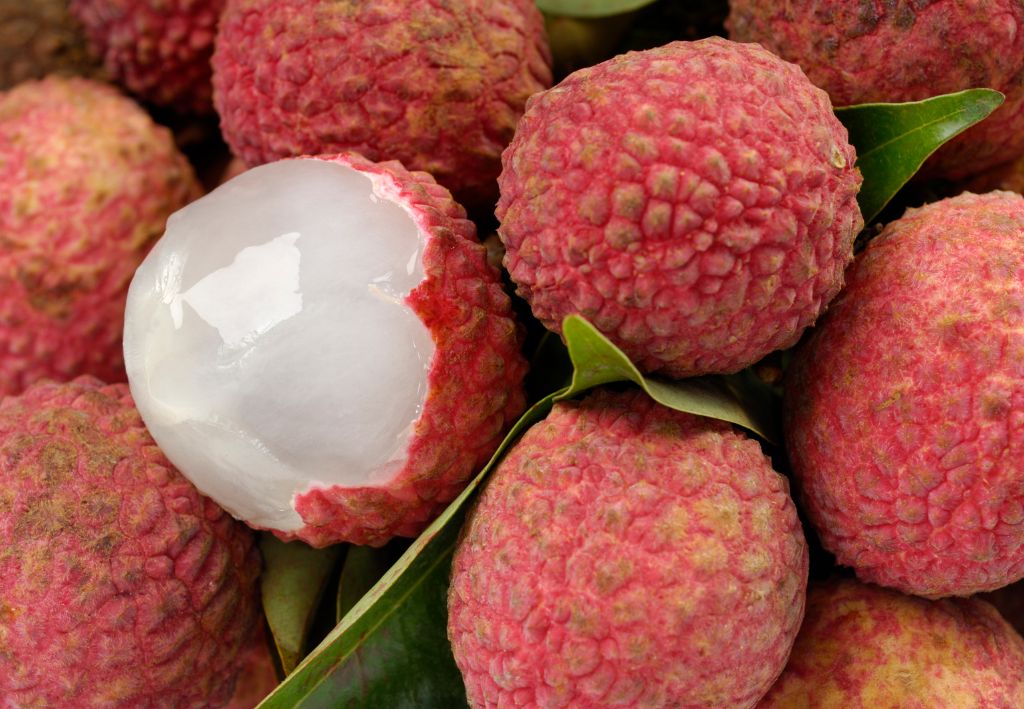
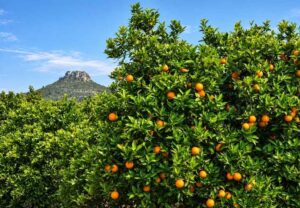
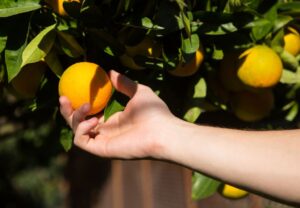
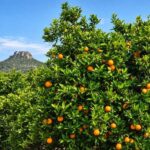
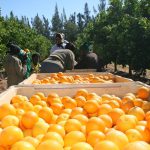
The U.S. accounts for approximately 5–6 per cent of South Africa’s citrus export volumes, with particular importance for growers in the Western and Northern Cape. The market also absorbed 28.85 per cent of South African litchi exports in 2025/26.
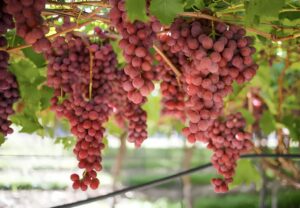
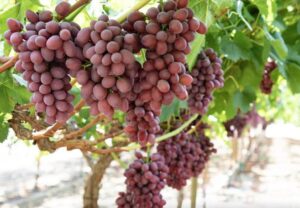
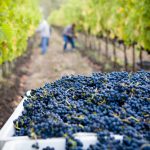
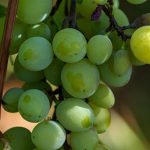
Table grape exports illustrate existing trade pressures. Shipments to the U.S. declined from approximately 9,886 tons in 2024/25 to 1,609 tons in 2025/26, an 84 per cent decrease. Additional tariffs, exchange-rate pressures, and logistics contributed to the decline, which was not caused by AGOA exclusion.
South Africa’s onion-seed growers also supply North American customers. These operations depend on suitable growing conditions, varietal purity, certification, and established commercial relationships. However, onion seed already carries zero ordinary U.S. import duty, meaning AGOA exclusion would not automatically increase that tariff.
Ostrich leather, feathers, and pet treats represent additional agricultural exports linked to U.S. buyers and processing businesses.
Long-term investment increases the importance of maintaining market access. According to BFAP, almost 120,000 additional hectares of high-value fruit and nuts were planted over the preceding decade. Export volumes could increase by roughly 25 per cent by 2034 as orchards mature.
Finding alternative markets requires sanitary approvals, suitable varieties, shipping capacity, and distribution networks. Redirecting additional fruit into existing markets could also affect prices.
Improved port operations, biosecurity, and certification would support export competitiveness regardless of AGOA’s outcome. While the national economic impact of exclusion may be manageable, individual growers and rural communities could face greater pressure on orders, employment, and cash flow.
For more information:
AgriSA
Tel: +27 (0) 87 711 0626
Email: info@agrisa.org.za
www.agrisa.org.za
Reference Link: Freshplaza


Add comment